
THIS IS COJ.
Catholic and Progressive: A One-of-a-Kind Approach to Future-Proofing
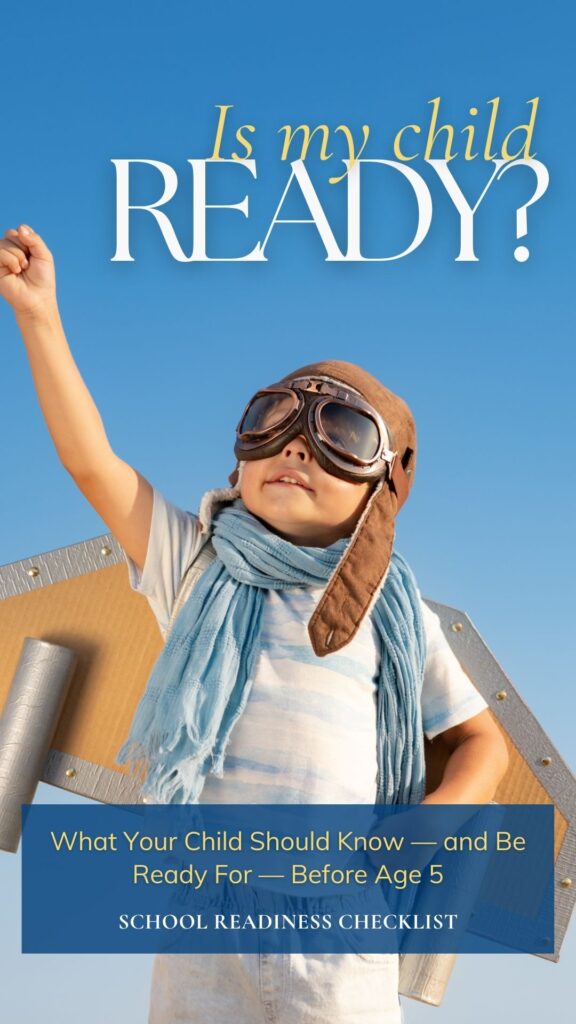

Many parents worry about whether their child is “ready” for preschool. Some wonder if their child should already be reading or writing. Others compare their child to peers and quietly worry they may be behind.
The truth is, school readiness is not a single skill or checklist of academic tasks. It is a combination of abilities that develop gradually and at different paces. Children who are ready for preschool are not necessarily those who know the most, but those who are prepared to learn, relate, and grow in a school environment.
This guide is meant to help parents understand readiness more fully—and more kindly.
A more detailed explanation is available if you leave your contact details below and click ‘Get the Resource.’ Should you prefer that you receive this through email, please send us a message through facebook messenger: COJ Catholic Progressive School.
Understand readiness more fully.
Most children are coping. Some are surviving. But not all are truly thriving.
- As parents, we want to believe that if our child is getting decent grades and not complaining too much, everything must be fine. Children do not always say, “Something is wrong.” Often, they simply adjust. And sometimes the signs are subtle: a drop in confidence; a reluctance to read aloud; anxiety before school; carelessness that wasn’t there before; a slow fading of curiosity; etc.
This guide was written to help you observe wisely — not to create alarm, but to give you clarity.
WHAT THIS GUIDE WILL HELP YOU DISCERN
This guide is especially helpful if:
- Your child’s confidence seems to be declining
- Grades are fine, but something feels “off”
- Your child resists school more than before
- You are unsure whether academic progress is deep or superficial
- You simply want reassurance that your child is on the right trajectory.
Sometimes reassurance is all that is needed, and early insight prevents long-term struggle. And this is the reason why we prepared this guide for you, in order that you will be at peace and clear about what’s going in with your child.
We believe every child deserves an environment where they are known personally, challenged and guided appropriately and consistently, and especially where they are formed in both competence and character. Your child’s thriving will not happen by accident. It must be intentionally designed into the entire school experience, where academic growth, discipline, and care work together.
If you are unsure whether your child is experiencing that kind of growth, this guide will help you think clearly before making any decisions.
Should you prefer to receive this through another way, please send us a message through:
After reading the guide, if you would like an objective conversation about your child’s academic readiness or developmental progress, we would be happy to assist. Our contact details are found below. Just clarity.
A calm, practical guide for thoughtful parents. No obligation.
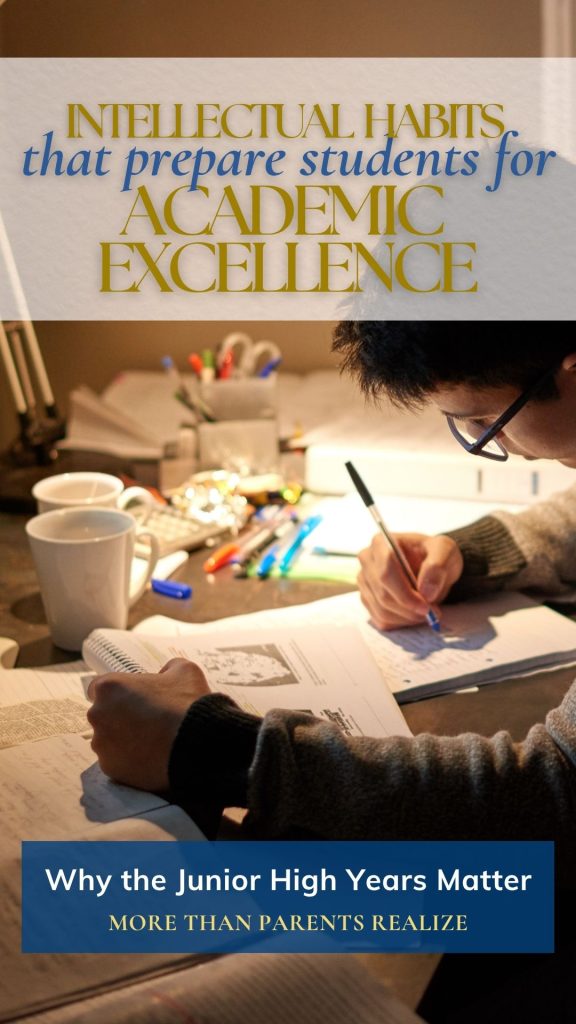
THE INTELLECTUAL HABITS THAT PREPARE STUDENTS FOR ACADEMIC EXCELLENCE
A thoughtful guide for parents navigating the important transition into the junior high years.
As children move from elementary school into junior high, the nature of learning begins to change. Students are gradually asked to think more deeply, manage greater responsibility, and express their ideas with increasing clarity and confidence. During these years, many of the intellectual habits that shape a young person’s future academic life begin to take root.
Some students begin to see themselves as curious learners who enjoy exploring ideas. Others may struggle to find their footing as expectations grow more demanding.
For parents, this stage often raises important questions.
- What kind of learning environment helps young adolescents develop curiosity and discipline?
- How do students grow into confident thinkers and communicators?
- And what habits support long-term academic success?
To help parents reflect on these questions, we have prepared a short guide titled:
“The Intellectual Habits
That Prepare Students
for Academic Excellence.”
This guide explores why the junior high years are such a significant stage in a student’s intellectual development and describes the habits that often distinguish students who thrive in demanding academic environments.
Within the guide, you will discover:
- why the transition to junior high represents a turning point in learning
- the intellectual habits that support long-term academic success
- how thoughtful learning environments shape curiosity and confidence
- ways parents can encourage these habits at home
Rather than focusing on examinations or competition, the guide considers how students develop the deeper habits of thinking that prepare them for future academic challenges.
This guide is particularly helpful for parents who are:
- preparing a child to enter Grade 7 or Junior High
- considering whether their current school environment will continue to challenge and support their child’s growth
- exploring schools that nurture thoughtful learning and strong character